

United Kingdom has announced plans to ban children under 16 from accessing major social media platforms by spring 2027 after legislation and regulatory implementation. If implemented as planned in 2027, the measure would potentially be setting a precedent that other democracies may soon follow.
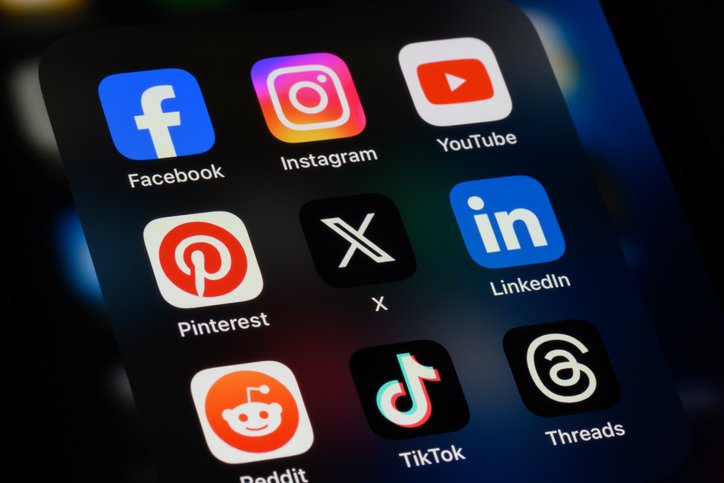
Prime Minister Keir Starmer unveiled the policy on 15 June, arguing that social media companies have failed to adequately protect young users from harmful content, addictive platform design, cyberbullying, and online exploitation. Under the proposed rules, children under 16 would be barred from creating or maintaining accounts on major platforms including TikTok, Instagram, Facebook, Snapchat, YouTube, and X. The government intends to place responsibility for enforcement on technology companies, which would be required to implement robust age-verification systems and could face substantial penalties if they fail to prevent underage access.
https://x.com/Keir_Starmer/status/2066458640010158571
Britain’s decision is being closely watched around the world because it follows a path first taken by Australia, which became the first country to implement a nationwide under-16 social media ban. Together, the two countries are helping transform what was once a fringe policy idea into a mainstream regulatory model and is likely to sweep the world. Governments across Europe—including France, Denmark, Norway, Spain, Greece, and Austria—have announced similar measures, while Canada is examining stronger restrictions on youth access to social platforms.
In Asia, Indonesia has announced plans to prohibit social media use by children under 16 across a wide range of platforms, from TikTok and Instagram to YouTube and online gaming communities. Malaysia is introducing age-verification requirements and considering broader restrictions. China, meanwhile, already operates one of the world’s most restrictive systems for young internet users, combining identity verification, screen-time limits, curfews, and content controls. Although China’s model differs from Western bans, it reflects the same underlying concern: that unrestricted access to digital platforms may be harming children.
The proposed ban in Britian goes beyond simply blocking access to social media accounts. Ministers are also considering restrictions on livestreaming, tighter controls on interactions between children and strangers online, and limits on certain AI chatbot services designed to simulate emotional or romantic relationships. Officials are examining whether additional safeguards should apply even to older teenagers, including measures aimed at reducing exposure to addictive platform features such as endless scrolling and algorithm-driven engagement loops.
Supporters of the policy describe it as a necessary response to a digital environment that many believe has become increasingly harmful to children. Parent groups and online-safety campaigners have welcomed the announcement, arguing that technology companies have repeatedly promised reforms while continuing to design products that maximize user engagement. They contend that age restrictions are no different from regulations that prevent children from accessing alcohol, gambling, or other activities considered unsuitable for minors.
Britain’s proposed under-16 ban, following Australia’s pioneering legislation, reflects a broader reassessment of how governments should regulate online platforms for young users. As lawmakers in Europe, North America, and Asia consider similar measures, developments in Britain will be closely watched around the world as policymakers evaluate the effectiveness, enforceability, and broader consequences of age-based social media restrictions.