
Navkar Centre for Skills, a leading skills education and training company based in Delhi, has come out with a research that says that youth in the age group of 16-25 are facing a different kind of challenge in life owing to their conflict with managing their lives in a 24 X 7 chatting/gaming age.
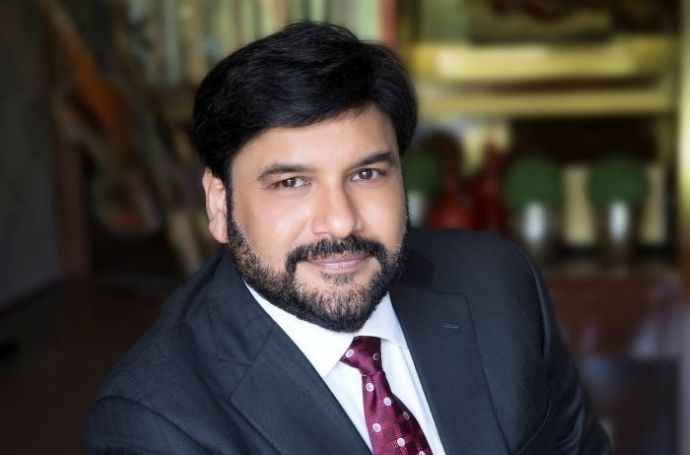
According to Navin Bhatia, founder-MD of Navkar Skills, they applied a three tier research methodology to understand the problems and challenges of youth in various settings from colleges to social media chats/posts and homes besides creating focus group discussions with youth, their parents separately and talking to experts and clinical psychologists.
Focus group discussions with parents and youth separately revealed that a large section of youth (between 30 to 40%) youth is suffering from anxiety, stress, anger and depression. This data actually collaborates with the union Ministry of Health & Family Welfare’s finding that the number one disease affecting youth today is anxiety, stress and depression. An online survey by ICICI Lombard of 1100 people between ages 18-25 who responded had shown that around 65% youth show early signs of depression. The study further highlights that lower income levels are also a major cause of stress among people. Additionally, 64% respondents were sleep deprived, which is among the leading symptoms of depression. Lack of sleep is a prominent cause of poor mental wellness, whereas the overall mental wellness levels among women is higher (66%) when compared to males (55%), the survey revealed.
Further, according to a Lancet report, India has one of the world’s highest suicide rates for youth aged 15 to 29, and every hour, one student commits suicide in India (according to 2015 data (the latest available) from the National Crime Records Bureau (NCRB).
Focus Conversations with counsellors and psychiatrists revealed that young people find it difficult to cope with failure in examinations and careers and neither families nor other social institutions offer adequate support or solace.
Focus group discussions with parents revealed that children do not participate in outdoor physical activities or sports but are most of the time confined to mobiles and computers. They expressed communication between parents and children is broken children are not expressive anymore. Not sharing their feeling of anxieties over career, jobs and relationship with friends and family is a new dimension of the new youth who are cut from neighbourhood or real world and connected to far off people on social media platforms all the time.
Focus group with youth revealed they substantial percentage is addicted to online games, chats, alcohol and drugs. Youth believed the corporate jobs are few with routine drudgery and no scope for innovation; it is difficult to succeed on meritocracy in India.
Youth Problem statements can be broadly classified into three categories. 1. Suffering from anxiety, stress, anger and depression, 2. No jobs and at the same time entrepreneurship is highly risky, 3. Not able to express his/her feeling and has serious relationship issues with family and friends
As per Bhatia the systemic solutions can provide the best way forward to save India’s youth (the country has close to 3.55 crore youth studying in colleges for their PG Diploma, Bachelors, Masters & Ph.D degrees) in the susceptible age group). These solutions would be 20 hours (three day) training intervention only to be conducted by experts where youth is sensitized on how to resolve issues and challenges he is facing (expressed in problem statements and context). Secondly, the content should be created by behavioural experts and the course material should be customized across states to address diversity issue.
However, the biggest intervention to sustain the youth learning and behavioural development would be creation of peer role models, who will counsel and motivate others with their example and are trained as “Hope Ambassadors”. Because these are the ones who will listen –communicate-motivate the youth. These “Hope Ambassadors” also the online bridge/connect between the youth and the behavioural experts. The sooner we try this, the better it would be.