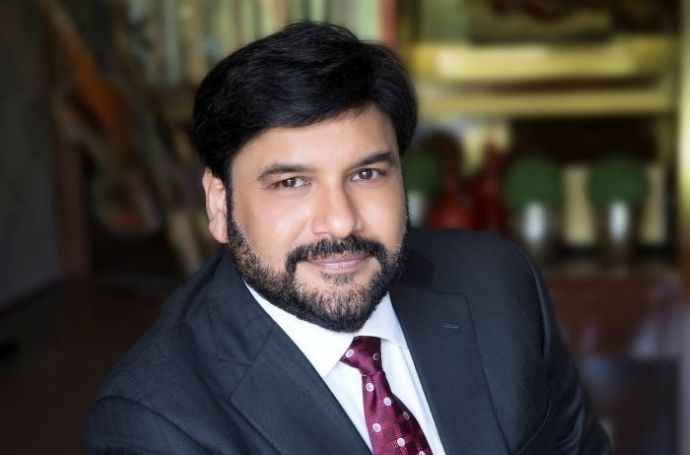


 By Mayur Anup Chand Soni, Founder, Vair Training

Educators can assess the success of their teaching outcomes by creating specified, measurable, attainable, relevant, and time-bound (SMART) learning objectives for their students. Both skill training and education are dynamic activities and therefore change and keep evolving all the time. It is crucial therefore to promote a culture of continual improvement in order to measure performance effectively.
Technology developments in recent times have created new opportunities for evaluation systems beyond the method of traditional ‘tests’. Today, educators can use a variety of cutting-edge tools and methods to accurately measure learning outcomes. Online tests, interactive simulations, project-based exams, and peer reviews are a few of them. By utilizing a variety of evaluation techniques, mentors are better able to comprehend the development and performance of their students.
Data gathering and analysis are essential in the digital era for determining how effective training is. Data on learner engagement, completion rates, and performance measures are valuable and are provided by learning management systems (LMS) and other educational platforms. This information can be used by educators to spot patterns, trends, and potential problem areas. Data analysis enables focused interventions and decision-making based on evidence, which improves the overall efficacy of education and training programs.
As we move on, enabling students to offer feedback will be a crucial component in evaluating the success of education programs in near future. Surveys, focus groups, and online discussion forums can all be used to collect feedback. It is critical to establish a secure and encouraging environment where students may talk about their struggles, successes, and suggestions for development. Through this feedback loop, educators can better comprehend student viewpoints, fix any gaps, and adapt their teaching strategies.
While short-term measures are critical for gauging immediate performance, long-term outcomes are just as significant. Monitoring students’ development after they complete the training course offers insightful information about how education affects their lives and jobs. This could involve keeping tabs on job trends, wage increases, aspirations of further education, or the use of skills in practical settings. Examining these long-term results allows educators to confirm the efficacy of their training programs.
Mentors’ ought to use reflective practice, periodically evaluating and changing their pedagogical approaches in light of the information and feedback gathered. Maintaining current with the most recent research and best practices in education can also be accomplished through collaborative professional development opportunities like seminars and conferences.
As we move forward, let us keep in mind the pearls of wisdom of outstanding educators who have fought for the cause of effective education: it is not enough to grade students; we must give them the tools they need to use their knowledge in meaningful ways. It is about adjusting education to the particular requirements of each student, not about dogmatic compliance. Education goes far beyond the confines of the classroom, encompassing areas such as holistic development and societal responsibility.
We can make sure that the educational environment is a catalyst for change, enabling students to transcend barriers, accept challenges, and emerge as independent agents of change, by measuring the success of our pedagogies and skilling methods.
A quote by N. R. Narayana Murthy, who is a huge inspiration for millions of people around the world, sums it up nice: ‘Measuring education training effectiveness requires a holistic approach that encompasses academic achievement, skills development, and the holistic growth of learners.’