
New whole-genome research uncovers ancient genetic structure, Denisovan legacies, and human resilience in Earth’s harshest environments.
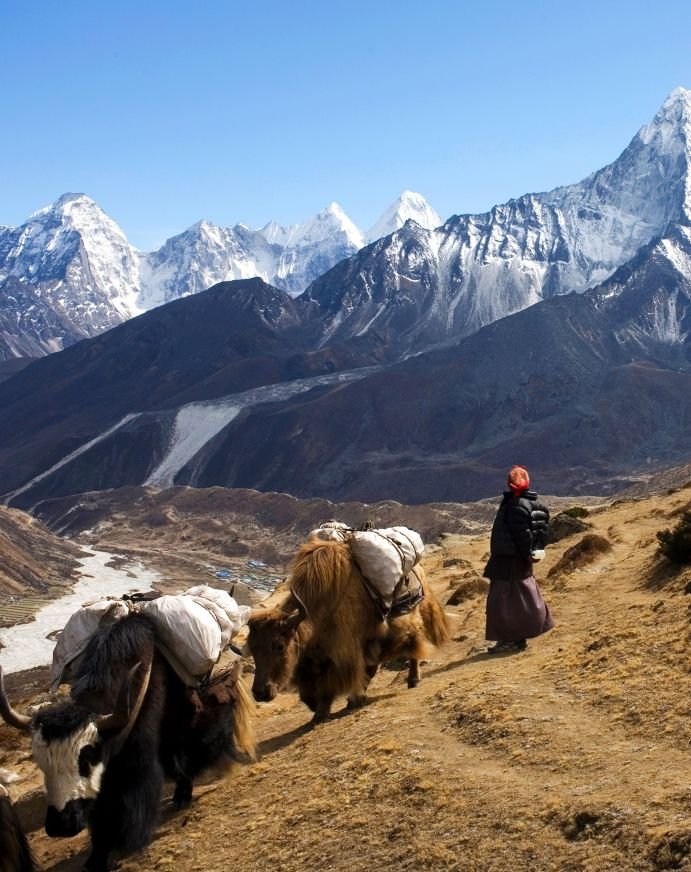
A new genomic study reveals how human populations adapted, survived, and diversified in the Himalayas, one of the most extreme and challenging environments on Earth.
The research, a collaboration between the University of Birmingham and international partners from Europe, Asia, and the Middle East, analysed whole-genome sequences from diverse Himalayan ethnic groups, many of which had never been genetically studied before at this level.
Published on July 10 in Current Biology, the study shows that population structure in the Himalayas began over 10,000 years ago, thousands of years before archaeological evidence of permanent settlement at high altitudes. This early divergence challenges long-standing assumptions about when and how diverse groups first began accessing the extreme elevations of the Himalayas.
Dr Marc Haber, lead author from the University of Birmingham Dubai, commented: “This study offers an unprecedented window into the genetic legacy of Himalayan populations and their extraordinary adaptations to high-altitude life. It reveals how migration, isolation, and natural selection came together to shape human survival in one of the world’s most challenging environments.”
The study identifies novel genetic variants linked to adaptation in hypoxia, metabolism, immunity, and physical activity. It also confirms that the Denisovan EPAS1 derived gene, known to be crucial for surviving low-oxygen conditions, is widespread across all high-altitude Himalayan groups.
The gene variants originate from the extinct archaic human species known as Denisovan. Strikingly, other variants were also found in some lowland populations, including those previously reported in Southeast Asian groups known for their exceptional breath-hold diving abilities, pointing to unexpected evolutionary links.
Co-first author Dr Mohamed Almarri, from Mohammed Bin Rashid University of Medicine and Health Sciences, Dubai, commented: “The Himalayas are often seen as a barrier to movement, but our genetic data reveal a dynamic history of both isolation and migration.”
By sequencing these diverse populations, many for the first time, we uncovered how people in this region are related to one another and to their neighbours.”
Despite long-term isolation, the research uncovered bidirectional gene flow between the Himalayas and both Central/South Asia and East Asia. Several periods of migration align with the rise and expansion of historical powers such as the Tibetan and Gupta Empires. These findings provide new insights into how small, isolated human populations evolved in parallel and adapted under intense environmental and historical pressures.
Co-author Yali Xue from the Wellcome Sanger Institute, commented: “This work fills a major gap in our understanding of human genetic diversity. It highlights the importance of inclusive research that reflects the full range of global populations.”
The team plans to expand on these findings through future collaborations focused on how genetic adaptations to high-altitude environments influence human health, the legacy of ancient migrations, and resilience to environmental stress over time.