
Student wellbeing in India declines sharply through the senior school years, with the proportion of students reporting high overall wellbeing falling from 62% in Grade 8 to 43% in Grade 12, according to the IC3 Institute’s Student Well-being Pulse Report 2026.
Based on responses from 8,515 students across India, the report found a consistent decline in wellbeing, happiness, confidence and motivation as students progress through school. At the same time, 64% of students said they preferred to deal with stress on their own, while only 6% sought support from a school well-being counsellor.
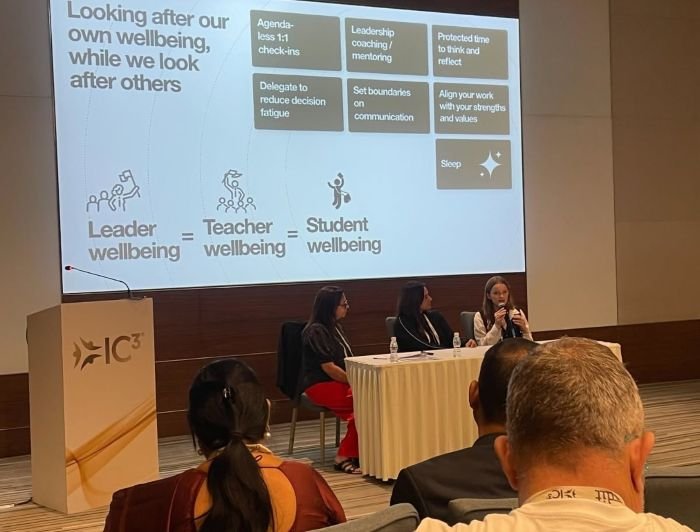
The report was launched at the 10th Annual IC3 Conference & Expo, held on August 19–20 at the Jio World Convention Centre in Mumbai.
The findings point to a widening gap between the pressures students experience and the support they seek. Happiness declines from 65% in Grade 8 to 48% in Grade 12, while confidence falls from 64% to 47%. Motivation also drops from 64% to 49% over the same period. Negative emotions, including anxiety, low energy, frustration, loneliness and sadness, intensify with age and peak among students in Grades 11 and 12.
When students do seek help, they most commonly turn to friends and family, with 49% and 44% respectively. A smaller proportion approach teachers (13%) or school counsellors (6%), while only 2% seek support from therapists. However, 52% of students believe therapy or counselling would be helpful, suggesting considerable openness to structured support when it is accessible.
The report also highlights the broader strain students face in managing their daily lives. Fifty-five percent of students report getting six hours or less of sleep each night, with academic pressure, overthinking and screen use among the key factors. While students rely on accessible coping mechanisms such as music (69%) and physical activity (57%), fewer turn to structured practices such as sleep hygiene and mindfulness.
Girls report a greater share of the wellbeing burden, including higher levels of anxiety, frustration and sadness and lower levels of calmness and confidence. Only 52% of girls report feeling confident often or always, compared with 64% of boys. Career-related anxiety is also higher among girls, at 35%, compared with 31% among boys.
Career guidance emerges as another area where student needs and access do not fully align. Only 52% of students report receiving structured career counselling at school, while 33% say they feel anxious because of unclear career guidance.
Access to career counselling varies significantly across states, ranging from 61–62% in states such as Uttar Pradesh and Jharkhand to below the national average in Bihar and Kerala. Career-related anxiety is particularly high in Bihar, where 43% of students report feeling anxious because of unclear career guidance.
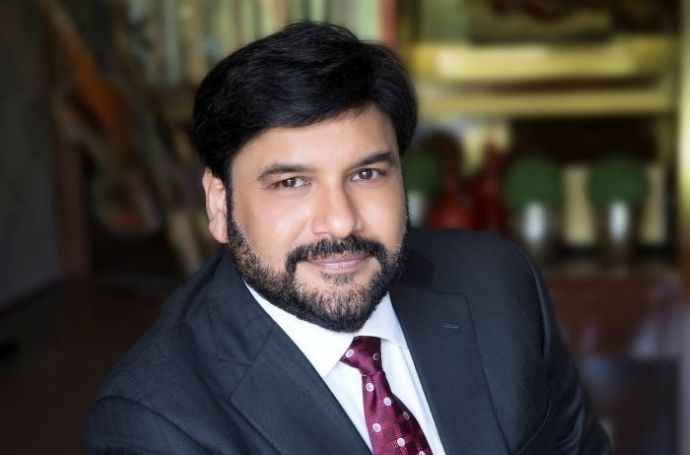
Commenting on the findings, Ganesh Kohli, Founder, IC3 Movement, said, “As students move through senior school, we see wellbeing, confidence and positive emotions decline, even as academic and career decisions become increasingly consequential. At the same time, many students continue to carry their concerns on their own. The opportunity before us is not about assigning responsibility, but about making support easier to find, easier to trust and easier to access. Schools, families, counsellors, universities and the wider education community all have a role to play in creating environments where students can seek guidance early.”