
As healthcare systems continue to evolve across India and globally, emergency medicine is increasingly being recognized as one of the most critical frontline specialties in modern healthcare.
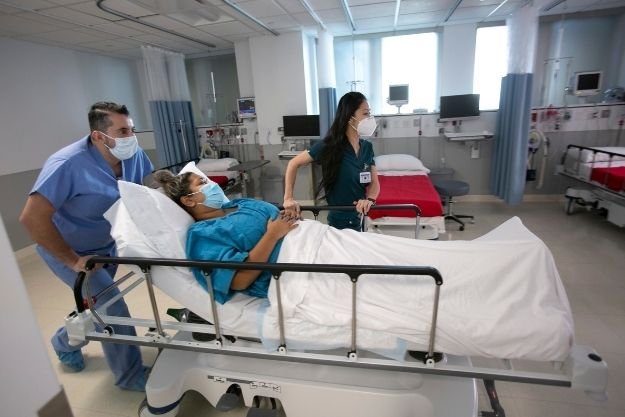
Often described as the “ultimate medical generalist”, emergency medicine is one of healthcare’s most dynamic specialties, requiring physicians to rapidly assess, diagnose and treat a wide range of conditions from trauma and cardiac emergencies to acute illnesses and mental health crises.
Their role is becoming increasingly important across India as healthcare systems continue to expand and invest in emergency care and critical healthcare infrastructure. Reflecting this growing demand, India’s hospitals market is valued at approximately USD 126 billion, according to a recent Ken Research report, driven by rising healthcare investments, expanding hospital infrastructure, increasing demand for advanced healthcare services, and greater adoption of digital health technologies.
At the same time, healthcare experts continue to stress the need for stronger emergency response awareness and faster pre-hospital care systems across India. Research published in the Indian Journal of Community Medicine highlights that out-of-hospital cardiac arrest cases in India continue to face poor survival outcomes due to delays in recognition and limited bystander CPR intervention. Experts note that improving public CPR awareness, emergency response training, and rapid-response infrastructure could significantly improve survival outcomes, further underscoring the critical role emergency medicine professionals play in strengthening emergency care delivery across the country.
Unlike many other medical specialties, no two days in emergency medicine are the same. Physicians are often required to make critical decisions under pressure while caring for patients from all backgrounds and age groups.
“You never know what you’re going to get. You see young patients, you see old patients…from every walk of life, every background. I love it,” says Dr. Jessica Best, who graduated from SGU in 2012 and is currently an emergency medicine physician.
While the profession is known for its impact and fast-paced nature, it is also recognized as one of the most emotionally and physically demanding fields in healthcare. Long shifts, high patient volumes, and exposure to trauma require physicians to develop resilience, adaptability, and strong decision-making skills.
For students considering the specialty, emergency medicine offers broad clinical exposure, teamwork-driven environments and opportunities to work at the forefront of healthcare innovation, including telemedicine, simulation-based learning, and emergency preparedness. The field also allows physicians to make an immediate and meaningful impact on patient care during some of the most critical moments in people’s lives.
Medical institutions play an important role in preparing the next generation of emergency medicine professionals through multidisciplinary education, clinical training and exposure to diverse healthcare environments. Through its network of affiliated hospitals and health centres across the United States and United Kingdom, St. George’s University provides students with hands-on clinical experience in real-world healthcare settings while helping build the adaptability and clinical confidence required in emergency medicine.
As healthcare resilience and rapid-response capability become increasingly important across India and globally, emergency medicine is expected to remain a vital and future-focused specialty shaping the next generation of healthcare professionals.
For more information on the programs and tracks available through SGU School of Medicine, visit SGU’s website.