
By Allan Andersen
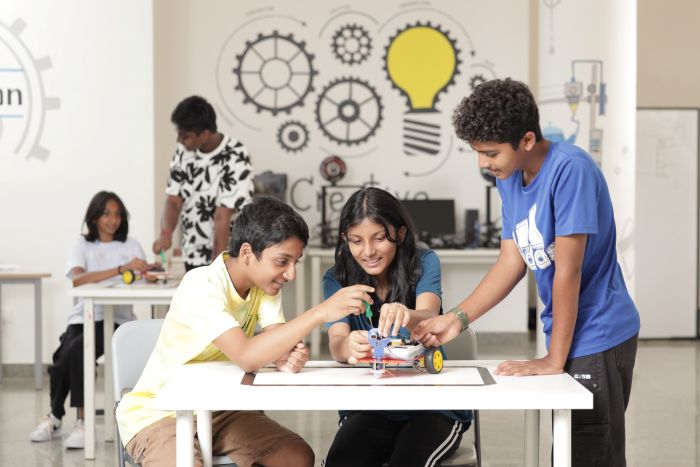
Experiential learning, a hands-on approach to acquiring knowledge, plays a pivotal role in shaping well-rounded individuals. This method emphasizes “learning by doing,” allowing students to apply theoretical concepts in real-world settings.

As education evolves, experiential learning has emerged as a vital tool for fostering critical thinking, emotional intelligence, and practical skills, which are essential for thriving in a rapidly changing world. According to a 2023 report by the World Economic Forum, 65% of children entering primary school today will work in jobs that do not yet exist. This underscores the urgent need for educational models like experiential learning, which equip students with transferable skills such as problem-solving, adaptability, and emotional intelligence. This kind of learning finds support in the educational philosophy championed by scholars like John Dewey and David Kolb, who argued that knowledge is best retained when learners actively engage with their environment.
The Need for Holistic Development
Holistic development encompasses intellectual, emotional, social, and physical growth. Traditional education often prioritizes cognitive skills, leaving little room for the development of empathy, creativity, and resilience. Experiential learning bridges this gap by encouraging students to step out of their comfort zones, face challenges, and collaborate with others. These experiences shape their character, build confidence, and prepare them for life beyond academic achievements.
Building Real-World Skills
Experiential learning equips students with practical skills that are indispensable in the real world. Whether it’s teamwork, leadership, or effective communication, these skills are honed through active participation. For example, students working on a group project learn to delegate tasks, resolve conflicts, and meet deadlines. Similarly, internships and apprenticeships provide valuable industry insights, enabling students to connect academic knowledge with professional practice. These experiences make them adaptable and better prepared to navigate the complexities of modern careers.
Enhancing Critical Thinking and Problem-Solving
Experiential learning fosters critical thinking by placing students in situations where they must analyze, evaluate, and make decisions. For instance, a student participating in a mock trial must understand legal principles, develop arguments, and present them persuasively. Such activities encourage learners to approach problems creatively and consider multiple perspectives. Over time, these problem-solving skills become second nature, empowering students to tackle challenges with confidence and innovation.
Emotional Intelligence: A Key Outcome
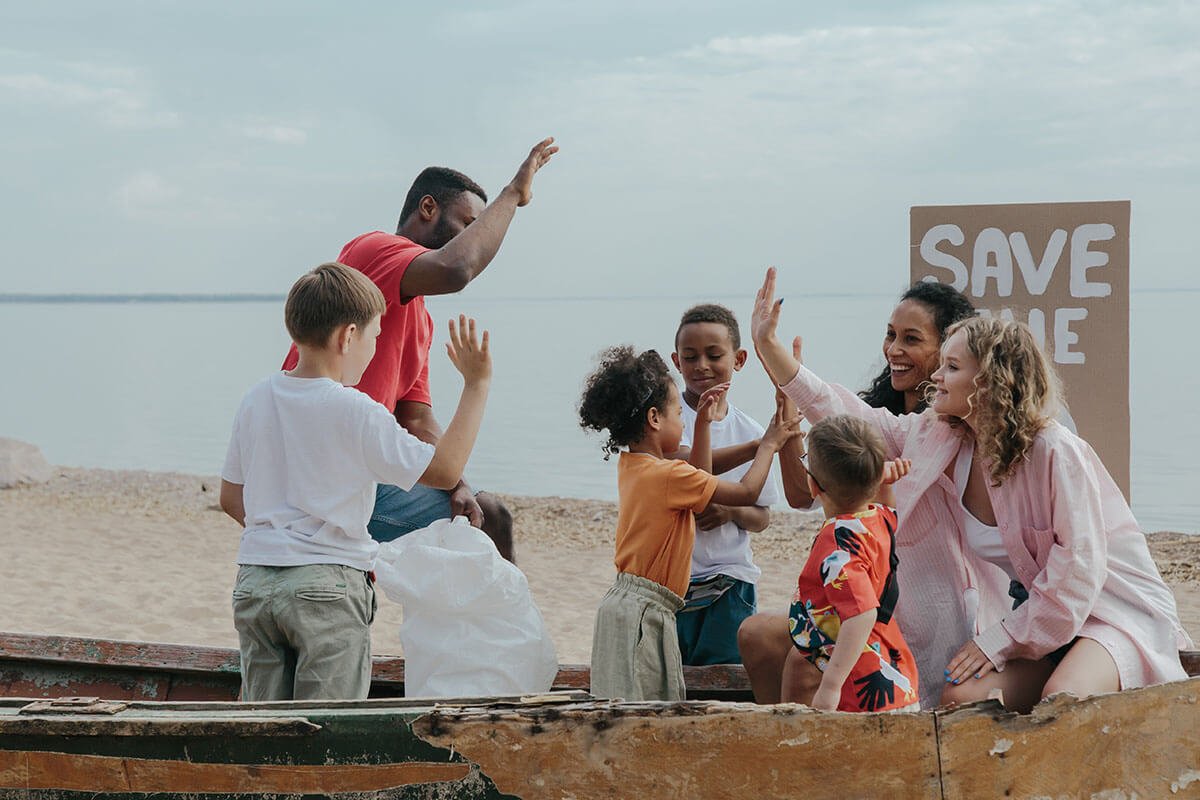
One of the most significant benefits of experiential learning is the development of emotional intelligence (EI). Activities like volunteering, team sports, or cultural exchanges expose students to diverse perspectives and emotions. By working closely with others, they learn empathy, self-awareness, and effective interpersonal skills. These qualities are not only crucial for personal relationships but also highly valued in professional environments, where collaboration and adaptability are paramount.
The Role of Reflection in Experiential Learning
Reflection is an integral component of experiential learning. After participating in an activity, students are encouraged to think about what they learned, how they felt, and how the experience relates to their goals. This process of introspection helps them internalize lessons and develop a deeper understanding of themselves. For instance, a student who leads a fundraising event might reflect on their leadership style, identifying strengths and areas for improvement. Reflection transforms experiences into powerful learning opportunities, promoting continuous personal growth.
Experiential Learning in Early Education
For younger students, experiential learning often takes the form of play-based education, field trips, or interactive projects. Activities like planting a garden, building models, or exploring a museum spark curiosity and engage multiple senses. These hands-on experiences make abstract concepts tangible and memorable, laying a strong foundation for lifelong learning. Moreover, they nurture creativity and a sense of wonder, which are essential for intellectual and emotional development.
Bridging Cultural Gaps Through Experiential Learning
In an increasingly interconnected world, experiential learning offers opportunities to bridge cultural divides and foster global awareness. Exchange programs, study tours, and community outreach initiatives expose students to different cultures, languages, and traditions. These interactions promote tolerance, open-mindedness, and an appreciation for diversity. By stepping into unfamiliar environments, students not only expand their worldviews but also develop the adaptability needed to thrive in multicultural settings.
Experiential learning is more than just an educational methodology; it is a transformative journey that shapes individuals into well-rounded, capable, and compassionate human beings. By integrating hands-on activities with reflection and real-world applications, this approach addresses the intellectual, emotional, and social dimensions of development. As we navigate an ever-evolving world, experiential learning offers a pathway to holistic growth, preparing individuals not just for exams but for life. It’s time to embrace this powerful tool and redefine what it means to truly learn.