
Creating Young Miyawaki Forest Warriors in our schools can be part of collective efforts to help lead the way in tackling Delhi’s obnoxious air pollution costing both good health and productivity as it unfortunately arrives like a normal season before the winter sets in says Naman Jain

You may like it or not, the Air Pollution (smog) season arrives in Delhi every year. Every autumn/winter, the cooler temperatures act like a lid, trapping in smoke from firecrackers, stubble burning in neighboring states, and the constant churn of traffic on Delhi’s roads.The atmosphere loses its color, the air feels thick and heavy, and even a short walk outside can leave your throat irritated and your lungs struggling. For the city’s 34 million people, this has become an all-too-familiar reality. The thick haze that settles over the city each year is more than just an eyesore. It’s a stark reminder of the serious health risks people face every single day.
Air pollution in Delhi and surrounding cities isn’t new; it’s been part of city life since as far back as 1905, but over the last decade, the problem has reached crisis levels. Over the years, different governments have launched air quality initiatives, with efforts stretching back to 1996. But despite these repeated attempts, the situation hasn’t improved in any lasting way.
No matter how many policies or public campaigns have been rolled out, Delhi is still fighting a losing battle against the alarming issue of air pollution. It’s a persistent, complicated problem that desperately needs fresh, sustainable solutions. It demands collective action; it’s time not only for the government but for everyone, especially schools and other educational institutions by by creating Young Miyawaki Forest Warriors in our schools to help lead the way in tackling Delhi’s rising pollution levels.
What is Miyawaki Forest Warriors concept that cab ne adopted in Schools?
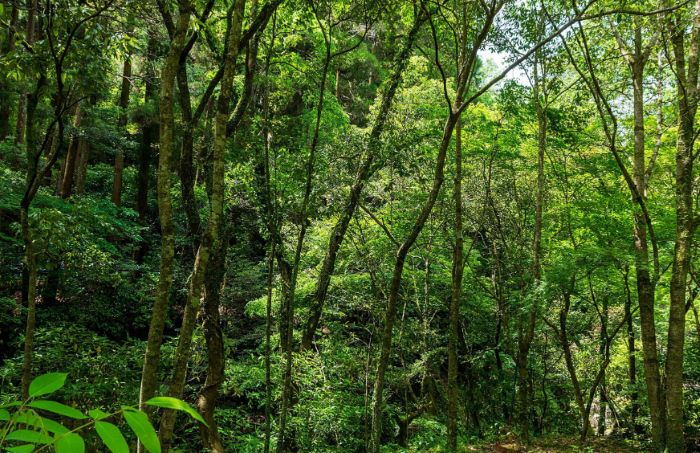
In the early 1970s, Akira Miyawaki, a renowned Japanese Botanist, introduced an innovative approach to combating urban pollution is the Miyawaki method, which is a technique that involves planting dense, native forests in small urban spaces, which grow ten times faster, are thirty times denser, and a hundred times more biodiverse than conventional plantations. Miyawaki forests have been successfully implemented in cities around the world, including several Indian metros and a few parts of Delhi as well. The Miyawaki technique offers several advantages for Delhi if adopted carefully. And why it’s ideal for the school campuses, parks, and even roadside strips, because these micro-forests require minimal space and are self-sustaining after the initial three years. All you need to do is a little maintenance, and then it will rapidly improve local air quality by absorbing pollutants, increasing oxygen levels, and supporting urban biodiversity.
In my opinion, schools are not only centers for academic growth but also powerful platforms for social change. By introducing students to environmental stewardship at an early age, we can nurture a generation that values nature and understands its critical role in human health and survival. Imagine if every school in Delhi became a hub for environmental action. By integrating the Miyawaki method into the school curriculum and extracurricular activities, students can participate in hands-on learning, planting, nurturing, and monitoring their own micro-forests.
The vision is clear: create Young Miyawaki Forest Warriors in schools across Delhi. These students would not just plant trees but become champions of environmental change, educating their peers, families, and communities about the importance of green cover and sustainable living. The process can be as engaging as it is educational. Students can form eco-clubs, participate in ‘Plant-a-Forest’ drives, maintain growth diaries, measure air quality improvements, and even use technology to track the health of their forests. Annual inter-school competitions could celebrate the best-maintained micro-forests, fostering a spirit of healthy competition and ownership. This not only instills a sense of ownership and responsibility but also provides practical education on ecology, sustainability, and teamwork.
Teachers, too, play a crucial role; with adequate training, they can guide students through the scientific and ecological aspects of the Miyawaki method, integrating these lessons into biology, geography, and even art and literature classes. Local communities and parents should be encouraged to participate, turning the school’s green initiative into a neighborhood movement.
Learnings Beyond the School Gates
By creating the young Miyawaki forest warriors, we can create an impact that goes far beyond the school gates. As students take their learnings home, they influence families and communities to adopt greener practices, reducing waste, conserving water, and planting trees in available spaces. Over time, this ripple effect can transform an entire city. Moreover, the psychological benefits are profound. Studies show that exposure to greenery improves concentration, reduces stress, and boosts overall well-being, which is one of the critical factors for students growing up in a city so often shrouded in smog.
The Air Pollution Crisis: A Call to Action
Delhi’s air pollution crisis is daunting, but it is not irreversible. I firmly believe that meaningful change begins at the grassroots, within our schools, and among our youth. By equipping the next generation with the tools, knowledge, and responsibility to care for their environment, we can nurture a culture of sustainability that extends far beyond the classroom. Transforming our schools into green sanctuaries and empowering students as Young Miyawaki Forest Warriors is not just an environmental initiative; it is an investment in the health and future of our city. The fight for Delhi’s air is, ultimately, a fight for the well-being of generations to come. The time to act is now, and it starts with our youngest citizens.
(The author is an Education Policy Expert and Vice Chairman of Silverline Prestige School, Ghaziabad)