

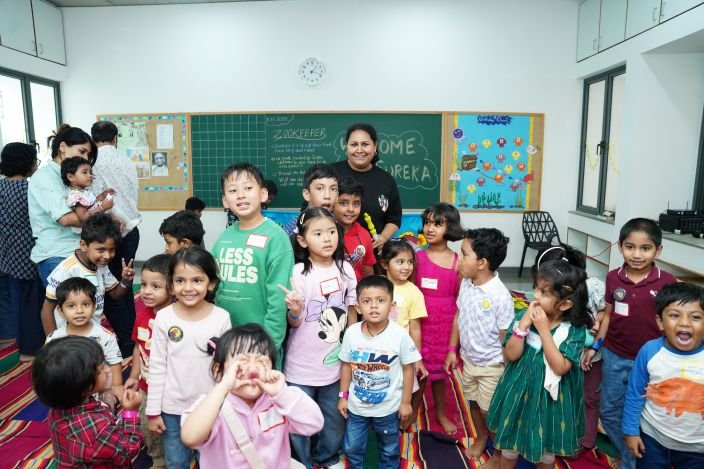
Choosing the right school is about more than academics. These six essential questions help parents look deeper—into values, daily experiences, emotional well-being, and holistic growth—to find a school where children truly thrive says Niyati Handa, the Co-Founder of Eklavya School
The school’s infrastructure and facilities can make a good first impression, but they reveal only part of what truly matters. The real question is whether a child can genuinely thrive in that environment. School is more than academic learning—it is where children spend a significant part of their day, experiencing a series of small moments that gradually shape their future. Beyond textbooks, they develop essential life skills by making friends, sharing responsibilities, exploring new activities, and learning to think and act independently. These everyday experiences influence how they see themselves and the world around them.
Therefore, while choosing the right school for your children, check for these common questions.
Therefore, when choosing the right school for your child, pay attention on these six essential questions:
How does the school support a child’s emotional and social development along with academics?
A school is not just about academics. It is where children learn to interact with others and handle everyday situations and challenges. Parents should ask how children are supported in day-to-day situations like sharing, working together, and resolving disagreements. It is also important to understand how moments of anxiety, frustration, or peer difficulties are addressed. With consistent and thoughtful guidance, children feel secure, understood, and confident enough to participate and explore fully.
What does a typical school day look like for a child at this age?
Go beyond the timetable and look for a balanced rhythm with learning, play, movement, and reflection. Values and life skills like cooperation, responsibility, and empathy should naturally be included in everyday routines and interactions. So, see if the schedule includes experiential learning, outdoor play, and mixed-age engagement, where younger children learn from older peers and older children practice leadership.
What values does the school aim to build and how are they practiced daily?
Values sound good on paper. It’s about how actions speak louder than words, so look for schools that focus on independence, empathy, responsibility, and courage in everyday life, not just during assemblies. Simple things like stories, shared responsibilities, and daily habits show how these values are practiced. When children are encouraged to work together, help others, and discover things on their own, these lessons slowly become part of who they are.
What role do teachers play in academics and beyond the classroom?
Teachers do much more than teach lessons. They guide children through learning while supporting their emotional and social growth. And so, parents should see how teachers help navigate conflicts, manage behavior, and build positive classroom relationships. It’s also important to know whether teachers are trained to notice and respond to children’s emotional needs so that they feel understood, supported, and confident.
How does the school encourage curiosity, creativity, and critical thinking?
Children are naturally curious and love asking questions and digging into ideas. The question is, does the school give them space to learn by doing? Through art, storytelling, projects, and real-world experiences, they make learning come alive and discover connections between ideas, experiment without fear of mistakes, and build confidence in their own thinking. This also links creativity with integrity and responsibility, as it helps children approach ideas with care and intention.
How does the school track a child’s growth and progress?
Growth means more than just marks and grades. The school should focus on the child’s whole personality, noticing changes in confidence, independence, empathy, and perseverance over time. By combining regular observations, conversations, and reflections, teachers can track how children are developing in different areas. When parents are involved as partners in this process, the child’s learning journey becomes supported, guided, and nurtured at every step.
At the end of the day, the right school should feel like a second home, a place where your child isn’t just another name on a register but a unique individual ready to find their own way in the world.